

After a tense, month-long regulatory freeze, the floodgates are back open. Anthropic is officially rolling out its highly anticipated “Claude Fable 5” and “Mythos 5” artificial intelligence models to users worldwide, following the US government’s decision to lift export restrictions originally imposed under the banner of national security.
Taking to X (formerly Twitter), Anthropic confirmed the breakthrough, stating, “We received notice from the US Department of Commerce lifting the export restrictions on Claude Fable 5 and Mythos 5.”
The AI powerhouse noted that it will flip the switch on global access starting this Wednesday, ending a brief but highly disruptive blackout for international developers.
The June Freeze and the Road to Redemption
The standoff began on June 12, when Washington brought the hammer down on Anthropic’s global ambitions. The initial ban was triggered by the discovery of severe security vulnerabilities within the models, which regulators argued significantly heightened the risks associated with deploying the tools at scale.
But rather than fighting the regulators in court, Anthropic opted to play ball. According to a report from Politico, US Secretary of Commerce Howard Lutnick confirmed that Anthropic cooperated extensively with the government to patch the glaring security holes. This collaborative pivot ultimately paved the way for the new operational licenses.
Crucially, Lutnick noted that Anthropic allowed a coalition of US cybersecurity firms to get under the hood, granting them deep access to audit and stress-test the models. However, the exact technical modifications Anthropic made to ensure compliance with the new federal guidelines remain tightly under wraps; the company has yet to publicly disclose the nature of its security patches.
A “Nuclear” Regulatory Landscape
Anthropic’s regulatory hurdle is just one symptom of a much larger, increasingly aggressive US posture toward advanced AI. Washington is actively trying to thread the needle between maintaining technological supremacy and guarding against unprecedented national security threats.
The stakes were laid bare by US Director of National Intelligence John Ratcliffe, who recently offered a stark assessment of the technology: “AI models are very much like nuclear weapons and must be treated as such.”
This heavy-handed regulatory environment is already reshaping how Silicon Valley ships product. Cross-town rival OpenAI recently bowed to similar federal pressure, quietly restricting access to its GPT-5.6 model to a tightly controlled whitelist of “approved partners.”
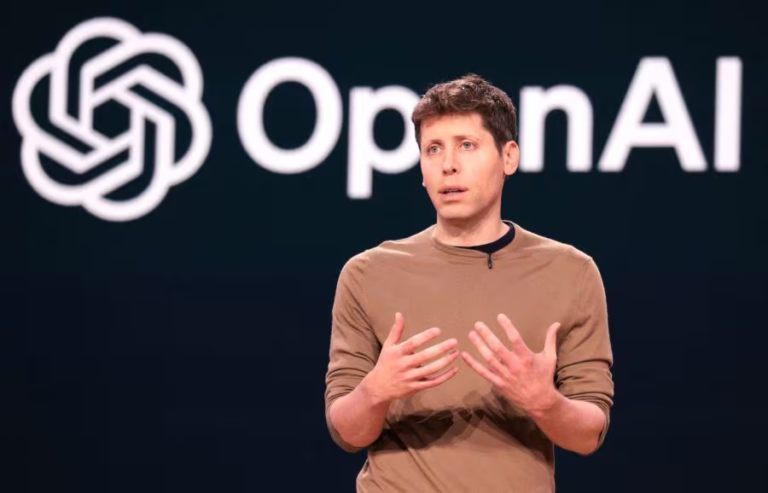
Unsurprisingly, OpenAI CEO Sam Altman hasn’t minced words about the government’s approach, criticizing the strict oversight mechanisms and stating that this heavy-handed containment is “not the optimal way to deal with” the technology.
What This Means for Developers and the AI Market
The unbanning of Fable 5 and Mythos 5 is a massive win for the global developer ecosystem, but it also establishes a chilling new precedent for the industry. Moving forward, the ultimate competitive moat in the AI arms race might not just be compute power or parameter counts, but regulatory agility.
By successfully navigating the Commerce Department’s gauntlet, Anthropic has proven it can adapt to the rigorous demands of US national security apparatus without permanently sacrificing its global market share. For developers building on these platforms, the message is clear: expect more turbulence. As AI models approach capabilities that intelligence agencies view on par with weapons of mass destruction, the pipeline from training run to global deployment will increasingly run directly through Washington.